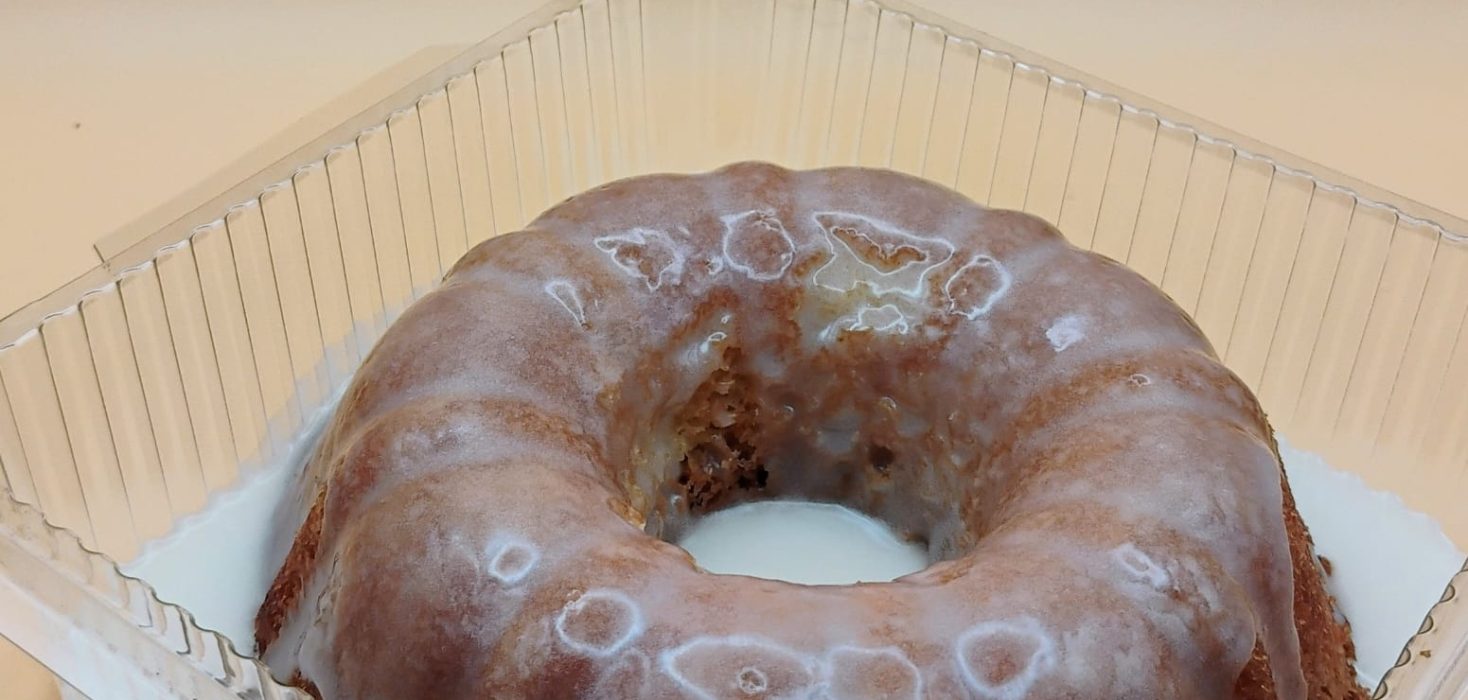
If you've ever pulled a pound cake out of the oven only to find it dense, greasy, or missing that deep, nutty flavor you were hoping for, chances are the butter ratio was off. Brown butter pound cake lives or dies by its butter — too little and the cake turns dry and crumbly; too much and it collapses into a heavy, oily brick. Getting the amount right is the single biggest factor separating an average pound cake from one that tastes like it came from a proper bakery.
At ONA Bakes, we bake more brown butter pound cakes in a week than most home bakers make in a year, and the question we hear most often is simple: how much butter actually goes into a brown butter pound cake? Below, we break down the exact ratios, why they matter, and how to avoid the most common mistakes.
Why Butter Amount Matters So Much in Pound Cake
Traditional pound cake gets its name from its original formula: a pound each of butter, sugar, flour, and eggs. That 1:1:1:1 ratio is still the backbone of most recipes today, even ones built around browned butter.
Butter isn't just flavor in this cake — it's structure. It:
- Coats flour proteins, which keeps the crumb tender instead of tough
- Traps air during creaming, giving the cake lift without baking powder overload
- Carries fat-soluble flavor compounds, which is exactly why browning it matters so much
- Adds moisture that keeps the cake from drying out over several days
Change the butter quantity even slightly, and every one of these functions shifts.
The Standard Butter Ratio for Brown Butter Pound Cake
Most reliable brown butter pound cake recipes call for 1 to 1.25 cups (226 to 283 grams, or 2 to 2.5 sticks) of butter for a standard loaf-sized cake using around 2 cups of flour. Larger bundt-style pound cakes, which typically use 3 cups of flour or more, generally call for 1.5 to 2 cups (340 to 454 grams) of butter.
A Simple Rule of Thumb
A dependable starting ratio is roughly 1 part butter to 1 part flour by weight, adjusted slightly downward once the butter is browned, since browning evaporates some of the water content and concentrates the fat.
Why You Need Slightly More Butter Than the Recipe's Final Weight
Browning butter causes it to lose 15 to 20 percent of its original volume through evaporation. That means if a recipe calls for 1 cup of browned butter, you'll typically need to start with slightly more raw butter — around 1 cup plus 2 to 3 tablespoons — before it goes into the pan.
Signs You've Got the Butter Amount Right
- The batter holds a thick, fluffy texture after creaming
- The finished cake domes gently rather than sinking in the middle
- The crumb is tight and even, not greasy or streaked
- The cake stays moist for 3 to 4 days at room temperature, wrapped well
Common Butter Mistakes in Brown Butter Pound Cake
Using cold butter straight from browning. Butter needs to cool to room temperature (soft but not melted) before creaming with sugar, or the batter won't aerate properly.
Skipping the solids. The browned milk solids at the bottom of the pan carry most of the nutty flavor. Scraping them into the batter, rather than leaving them in the pan, makes a noticeable difference.
Substituting margarine or oil. These lack the milk proteins and sugars needed for browning, so the flavor payoff disappears entirely.
FAQ: Butter in Brown Butter Pound Cake
Can I use salted butter? Yes, but reduce any added salt in the recipe by about a quarter teaspoon per stick used.
Does browning butter change how much I need? Slightly. Account for a 15 to 20 percent loss in volume during browning, so start with a bit more than the final amount called for.
Can I reduce the butter for a lighter cake? You can cut it by up to 15 percent without major structural issues, but the texture becomes noticeably less rich and moist.
Is European-style butter better for this recipe? Its higher fat content (around 82 to 85 percent versus standard butter's 80 percent) produces a richer crumb and slightly deeper browned flavor.
How long does it take to brown the butter? Typically 5 to 8 minutes over medium heat, until it turns golden-amber and smells nutty.
Can I make the cake with less butter and more oil? Partial substitution is possible, but oil won't brown or deliver the same flavor, so it's best used only as a small supplement, not a replacement.
Final Thoughts
Brown butter pound cake rewards precision. Once you understand the role butter plays — not just in flavor but in structure and moisture — it becomes much easier to adjust recipes with confidence instead of guesswork. Start with the standard ratio, brown your butter carefully, and don't skip the flavorful solids at the bottom of the pan.
Craving a slice without the trial and error? ONA Bakes bakes fresh brown butter pound cakes daily using this exact method — come taste the difference real butter makes.